Protruding mouth, recessed chin—a single surgery for a confident front profile
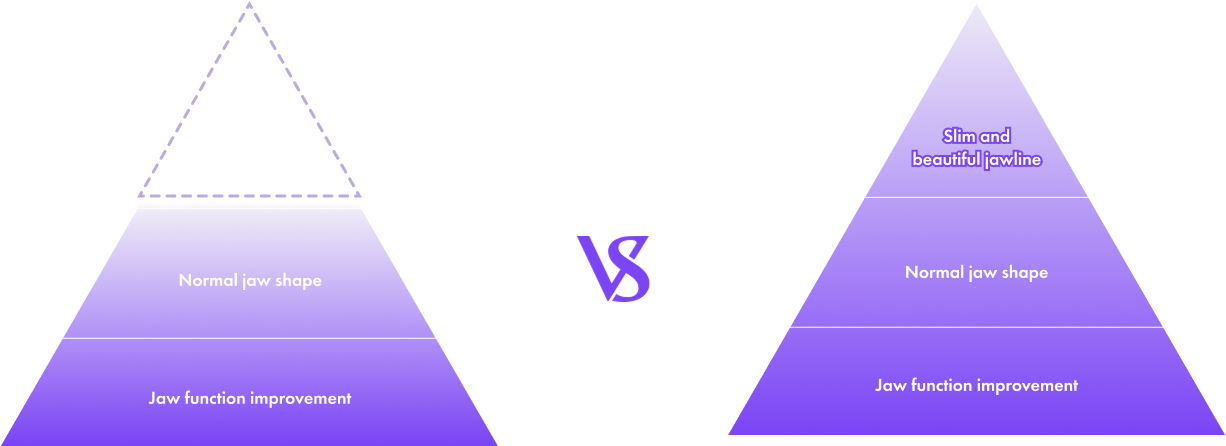
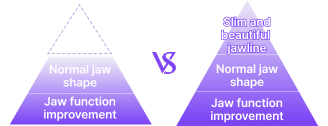
A protruding mouth surgery can deepen a recessed chin, and two-jaw surgery may not provide enough advancement. Three-jaw surgery unifies your jawline and bite.
It corrects both the gum bone and jaw position at once!
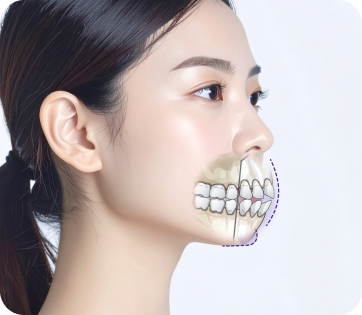
Moving the gum bone corrects protrusion, but may worsen a receding chin.
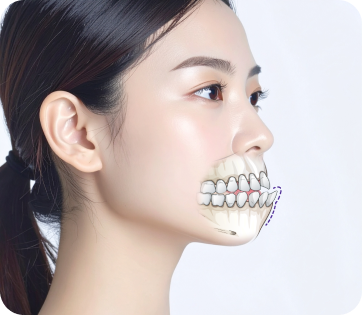
If the lower gum bone protrudes, it is difficult to advance the lower jaw sufficiently.
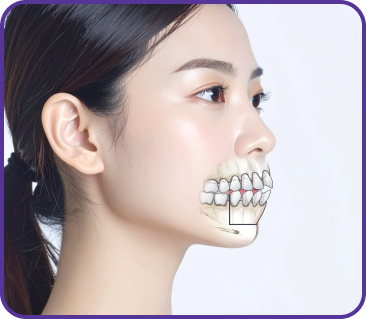
By adequately moving the protruding gum bone and the lower jaw, both protrusion and a receding chin can be corrected.
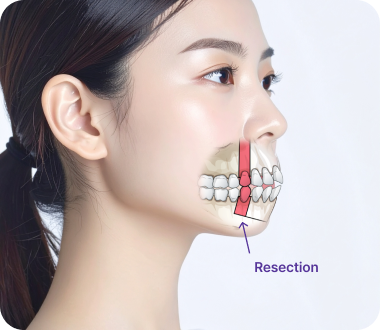
Tooth extraction, gum bone resection,
then moving the bone and teeth backward
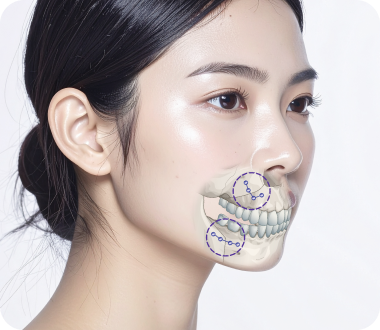
Aligning the upper and lower jaws to achieve normal occlusion
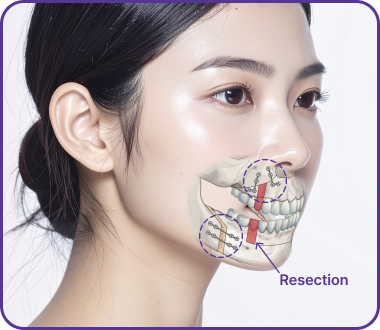
Three-jaw surgery is performed in severe cases where both protrusion and a receding chin occur together, combining bimaxillary protrusion surgery with two-jaw surgery.
Recovery is the real start! The professional's aftercare

Solutions for Your Main Concerns through Expert Surgery

Professional and Thorough Programs May Vary by Surgery Type *Care programs are customized to each type of surgery

10 languages in-house translators, 1:1 translation service

Airport pick up / drop off service
Yes, id Hospital offers translation in your preferred language, with a translator assisting you throughout consultations, surgery, check-ups, and recovery, ensuring comfort and clear communication throughout your journey.
Normally, in case of mini v-line surgery and cheekbone reduction surgery, it is possible to get discharged the same day according to the patient’s condition. However, it is necessary to confirm the state of the patient after waking up from anesthesia and proper disinfection of the surgical area. Admission is preferable. 2 to 3 days after surgery, it is possible to resume normal activities (please read your post-surgery manual given to you at the Hospital). Major level of swelling and bruises may last for 3 to 5 weeks, and minor swelling lasts from 3 to 6 months. It is recommended that you wash your mouth frequently with mouthwash after surgery and avoid hot or spicy foods because they may irritate the surgical site. It is also recommended that about two weeks after surgery, you start mouth exercises to widen the jaw, and help the nerves heal faster by using those exercises.
Generally, you can be discharged on the same day for cheekbone reduction surgery. In many cases, patients who undergoes surgery in the morning, can wake up from anesthesia and return home alone in the afternoon. However, when going home, do not bend your head or bow down when sleeping. It is good for decreasing your swelling and pain, and use of a fluffy pillow to support yourself in an upright position is advised. (please read your post-surgery manual given to you at the Hospital)
First of all, it is important to accurately analyze the shape of the cheekbones before surgery. It is necessary to consult with a clinician who has a lot of clinical experiences based on the results of X-ray and 3D-CT. At surgery, cheekbones are shaved based on the diagnosis. Depending on the skin elasticity of the person, an additional lifting procedure may also be recommended so the tissues are lifted together to give a lifting effect.
The facial bones do not grow after the growth period is over. In addition, cheekbone reduction surgery is a procedure in which the protruding cheekbone itself is moved inward and fixed to a new position, so you can rest assured that the cheekbones size will not increase again after surgery.
In case of cheekbone reduction surgery where your bone is completely cut, pins are needed to tightly fix the skin tissue and muscles and make them heal faster between the bones. This procedure equally happens with the other facial contouring surgeries too. Three months after the surgery, the bone is fully healed and firmly bonded as before the operation.
The pins are made of metals for surgery and treatment. It’s the same material used for teeth implant, causing no harm to human body so the removal is up to your personal choice. It does not matter if you go through an airport search or CT or MRI.
T-osteotomy is a method that is used to cut the chin bone in a T-shape, gathering the edges of resected chins pieces back together, which are secured with titanium pins. Square jaw reduction surgery can be done together which gives a natural V-shaped face.
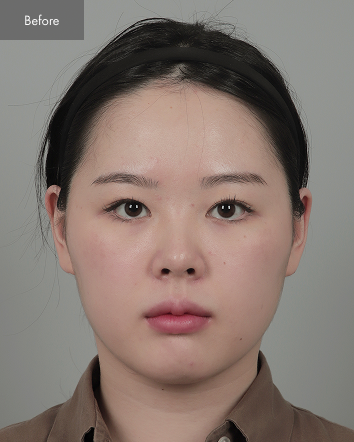
Before

After
3 Types of Facial Contouring, Nose
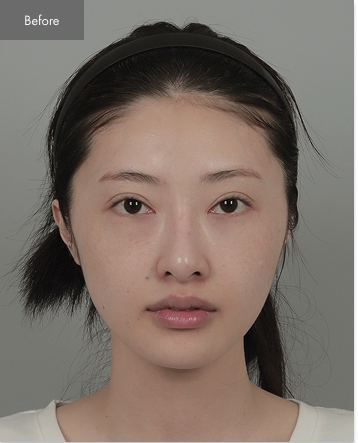
Before

After
Square Jaw Surgery, Revision Rhinoplasty
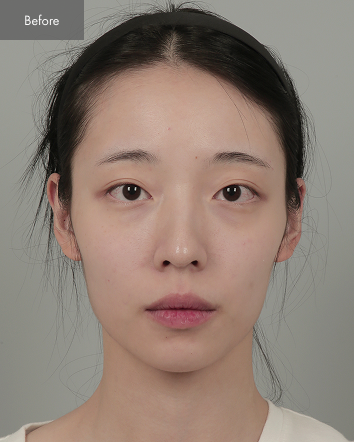
Before

After
Square Jaw Surgery, Cheekbone Reduction, Nose
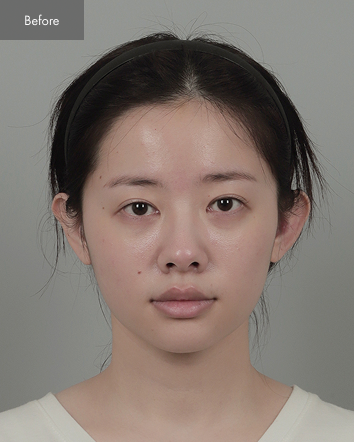
Before

After
Nose
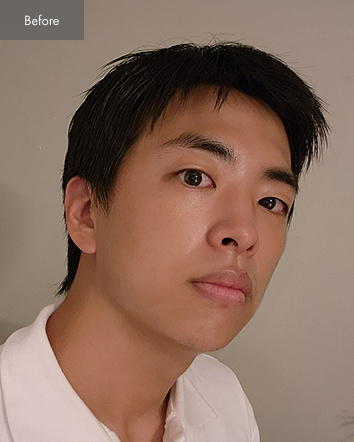
Before

After
Mini V-line Surgery
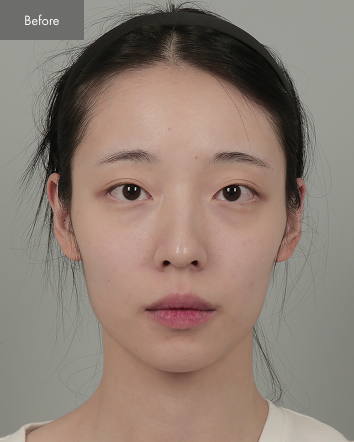
Before
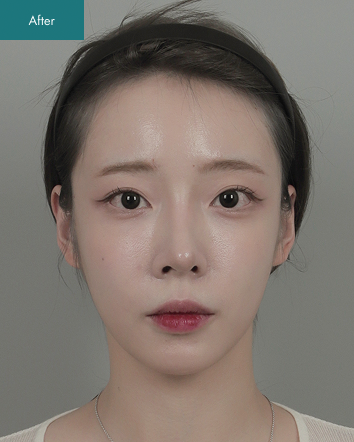
After
Cheekbone Reduction
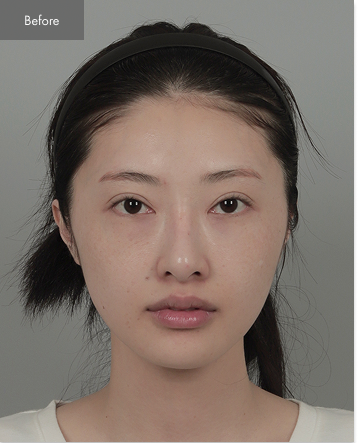
Before
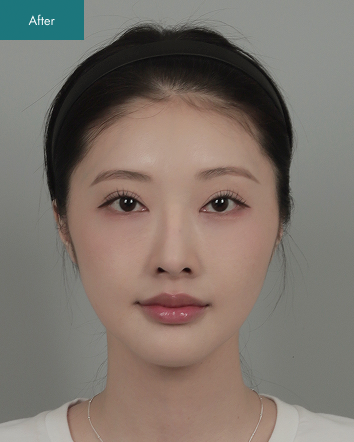
After
Eye Surgery, Nose
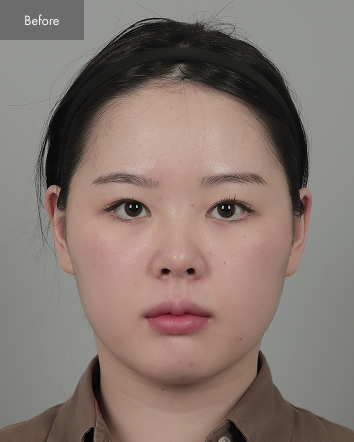
Before
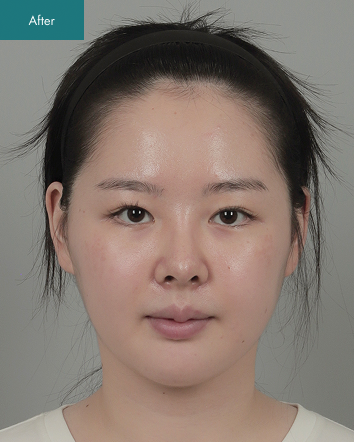
After
Full Facial Contouring
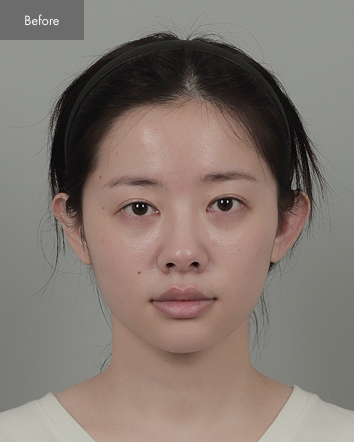
Before
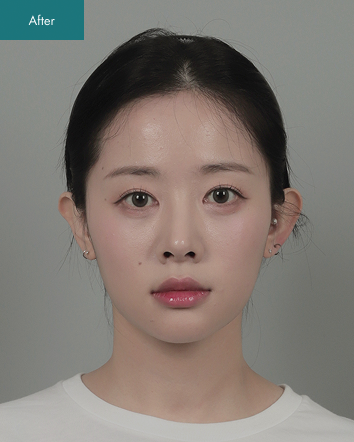
After
Jaw Reduction, Nose
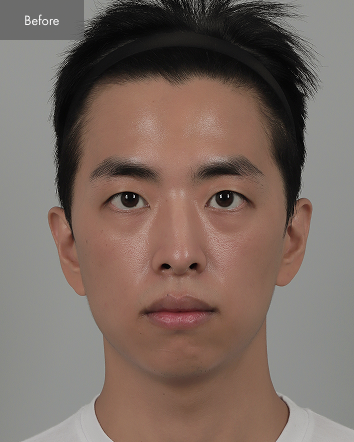
Before
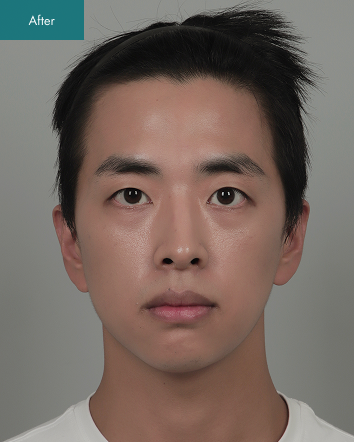
After
V-line Surgery, Cheekbone
Before
After
3 Types of Facial Contouring, Nose
Before
After
Square Jaw Surgery, Revision Rhinoplasty
Before
After
Square Jaw Surgery, Cheekbone Reduction, Nose
Before
After
Nose
Before
After
Mini V-line Surgery
Before
After
Cheekbone Reduction
Before
After
Eye Surgery, Nose
Before
After
Full Facial Contouring
Before
After
Jaw Reduction, Nose
Before
After
V-line Surgery, Cheekbone
Before
After
3 Types of Facial Contouring, Nose
Before
After
Square Jaw Surgery, Revision Rhinoplasty
Before
After
Square Jaw Surgery, Cheekbone Reduction, Nose
Before
After
Nose
Before
After
Mini V-line Surgery
Before
After
Cheekbone Reduction
Before
After
Eye Surgery, Nose
Before
After
Full Facial Contouring
Before
After
Jaw Reduction, Nose
Before
After
V-line Surgery, Cheekbone
2026.05
| SUN | MON | TUE | WED | THU | FRI | SAT |
26 | 27 | 28 | 29 | 30 | 1 | 2 |
3 | 4 | 5 | 6 | 7 | 8 | 9 |
10 | 11 | 12 | 13 | 14 | 15 | 16 |
17 | 18 | 19 | 20 | 21 | 22 | 23 |
24 | 25 | 26 | 27 | 28 | 29 | 30 |
31 | 1 | 2 | 3 | 4 | 5 | 6 |
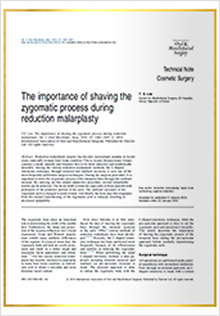
Proven by academic papers, surgical patents, and national certifications
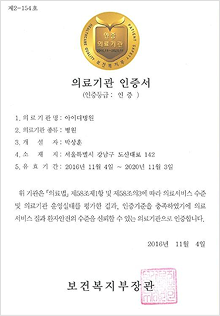
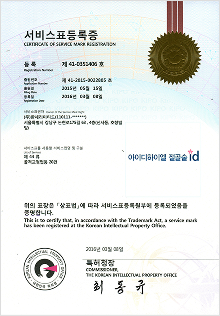
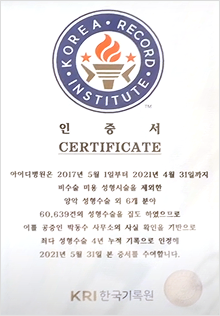
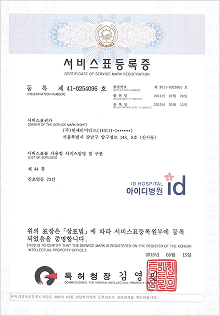
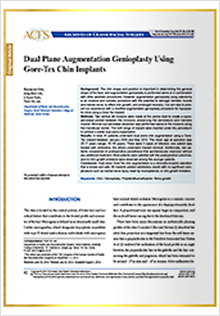
Since 2004
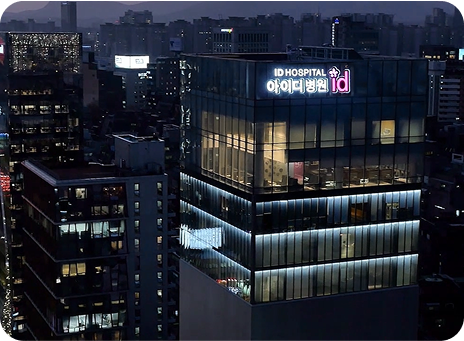
Since 2004, id's Facial Bone Contouring Center has led the field with the largest scale among plastic surgery hospitals, the highest number of contouring cases, and proven excellence through leading medical research.
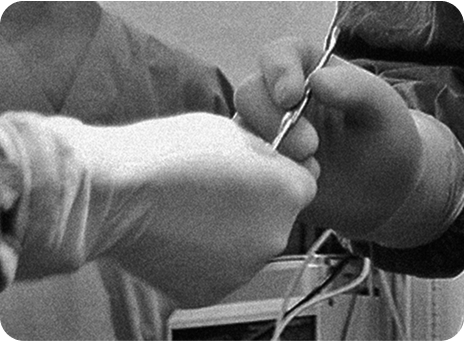
40,321 Cases
40,321 cases of facial bone contouring surgery. Based on this data, we provide satisfactory results through accurate diagnosis and perfect surgery.
* Data from January 2011 to May 2024
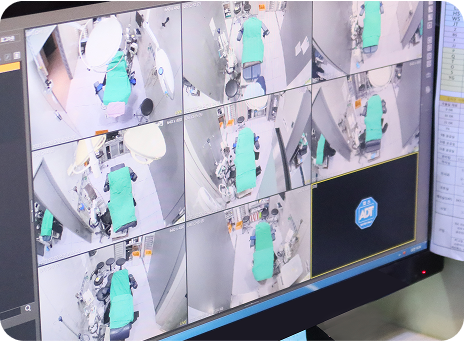
NO shadow doctors
From consultation to diagnosis and surgery, same surgeon will be in charge. id has a 'real-name system' of the surgeon in the surgery room with CCTV cameras.