
Cutting your wait time by a year and a half—Korea's first surgery-first approach.
Total treatment time cut by a year and a half. Discomfort is reduced and results are delivered faster. This is the standard pioneered by ID.
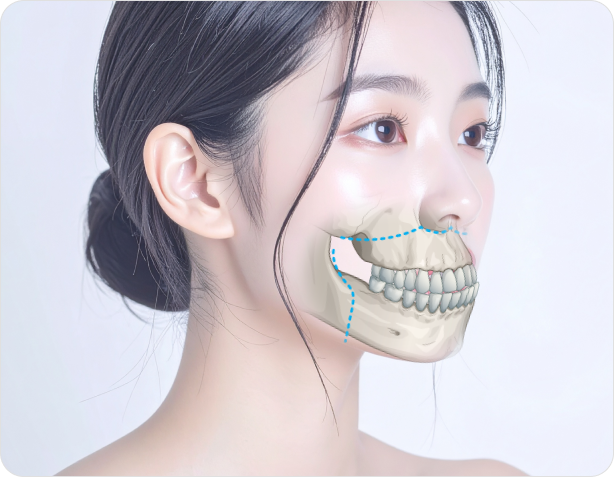

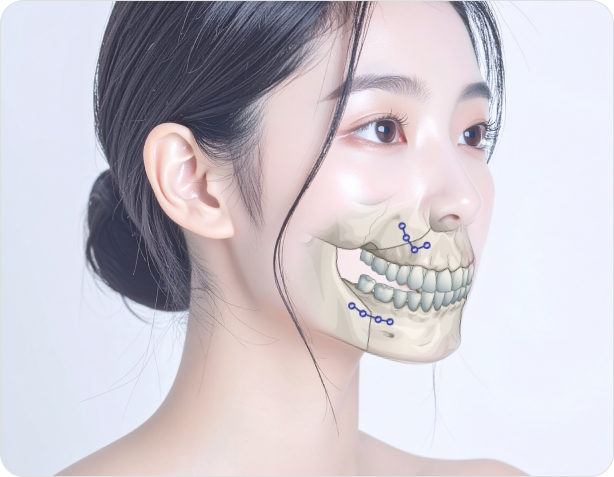
The old method of double jaw surgery required : Braces before surgery → Surgery → Braces after surgery.
At ID Hospital, our new method is simpler : Surgery → Braces after surgery.
Traditional double jaw surgery required 1–1.5 years of orthodontic treatment before surgery, forcing patients to endure a long, painful, and inconvenient period. With ID Hospital’s advanced method, surgery is performed first, followed only by post-surgery braces. This means far less discomfort and a much faster path to recovery and results.

id Surgery-First Approach Orthognathic Surgery
has shortened the recovery period by 1 year and 6 months with no orthodontic treatment before surgery.

Difference between
Surgery-First Approach and
traditional orthognathic surgery
People often ask, “Is the Surgery-First Approach different from orthognathic surgery?” The Surgery-First Approach is in fact a type of orthognathic surgery. The difference lies in the sequence. Traditional orthognathic surgery requires orthodontic treatment first, followed by surgery. In contrast, the Surgery-First Approach skips the lengthy pre-surgery orthodontics and performs the surgery first, with orthodontic treatment taking place afterward.

id Hospital: The first Hospital
to introduce Surgery-First Approach
Orthognathic Surgery!
Patients with malocclusion often want to relieve their discomfort as quickly as possible. However, many experienced worsening of jaw protrusion during the long period of orthodontic treatment required before surgery. To reduce this pain and burden, ID Hospital introduced the Surgery-First Approach in Korea, allowing patients to undergo surgery sooner and experience faster, more comfortable results.

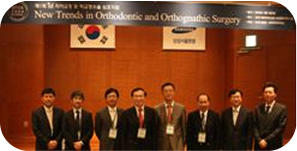
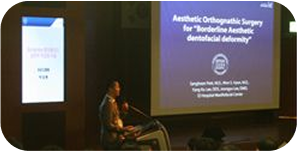
From introducing Surgery-First Approach to holding a symposium
95% of Patients Choose the Surgery-First Approach at ID Hospital
Since introducing orthognathic surgery in 2003, ID Hospital has performed this procedure on over 3,000 patients, with 95% selecting the Surgery-First Approach.
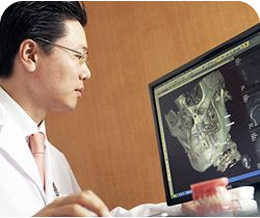
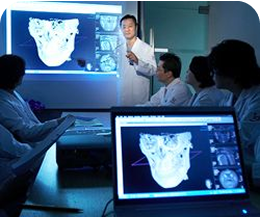
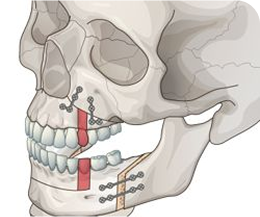
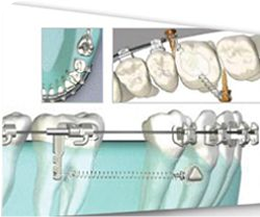
Shortened treatment period of Surgery-First Approach Orthognathic Surgery by 1 year and 6 months

Orthodontic treatment
period before surgery
1 year and 6 months

Treatment period
for surgery 1 month

Orthodontic treatment period
after surgery 1 month

Orthodontic treatment
NOT required before surgery
Treatment period for Surgery-First Approach Orthognathic Surgery 1 month
Orthodontic treatment
period after surgery 6 months

No Preparation Period, Immediate Improvement
Surgery can be performed at any time, with no need for orthodontic treatment beforehand.

Short Treatment Period
With no orthodontic treatment required before surgery, the overall treatment time is greatly reduced.

Prevent Prognathism from Worsening
Since no orthodontic treatment is performed before surgery, the teeth remain stable without unwanted movement.
Think orthognathic surgery means a long, tough recovery? Not anymore!
There’s no orthodontic treatment before surgery (1 year and 6 months), preventing prognathism from worsening, and the patients are satisfied by shortened recovery period in id’s Surgery-First Approach Orthognathic Surgery.
Recovery is the real start! The professional's aftercare

Solutions for Your Main Concerns through Expert Surgery

Professional and Thorough Programs May Vary by Surgery Type *Care programs are customized to each type of surgery

10 languages in-house translators, 1:1 translation service

Airport pick up / drop off service
Yes, id Hospital offers translation in your preferred language, with a translator assisting you throughout consultations, surgery, check-ups, and recovery, ensuring comfort and clear communication throughout your journey.
Normally, in case of mini v-line surgery and cheekbone reduction surgery, it is possible to get discharged the same day according to the patient’s condition. However, it is necessary to confirm the state of the patient after waking up from anesthesia and proper disinfection of the surgical area. Admission is preferable. 2 to 3 days after surgery, it is possible to resume normal activities (please read your post-surgery manual given to you at the Hospital). Major level of swelling and bruises may last for 3 to 5 weeks, and minor swelling lasts from 3 to 6 months. It is recommended that you wash your mouth frequently with mouthwash after surgery and avoid hot or spicy foods because they may irritate the surgical site. It is also recommended that about two weeks after surgery, you start mouth exercises to widen the jaw, and help the nerves heal faster by using those exercises.
Generally, you can be discharged on the same day for cheekbone reduction surgery. In many cases, patients who undergoes surgery in the morning, can wake up from anesthesia and return home alone in the afternoon. However, when going home, do not bend your head or bow down when sleeping. It is good for decreasing your swelling and pain, and use of a fluffy pillow to support yourself in an upright position is advised. (please read your post-surgery manual given to you at the Hospital)
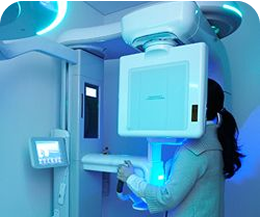
First of all, it is important to accurately analyze the shape of the cheekbones before surgery. It is necessary to consult with a clinician who has a lot of clinical experiences based on the results of X-ray and 3D-CT. At surgery, cheekbones are shaved based on the diagnosis. Depending on the skin elasticity of the person, an additional lifting procedure may also be recommended so the tissues are lifted together to give a lifting effect.
The facial bones do not grow after the growth period is over. In addition, cheekbone reduction surgery is a procedure in which the protruding cheekbone itself is moved inward and fixed to a new position, so you can rest assured that the cheekbones size will not increase again after surgery.
In case of cheekbone reduction surgery where your bone is completely cut, pins are needed to tightly fix the skin tissue and muscles and make them heal faster between the bones. This procedure equally happens with the other facial contouring surgeries too. Three months after the surgery, the bone is fully healed and firmly bonded as before the operation.
The pins are made of metals for surgery and treatment. It’s the same material used for teeth implant, causing no harm to human body so the removal is up to your personal choice. It does not matter if you go through an airport search or CT or MRI.
T-osteotomy is a method that is used to cut the chin bone in a T-shape, gathering the edges of resected chins pieces back together, which are secured with titanium pins. Square jaw reduction surgery can be done together which gives a natural V-shaped face.
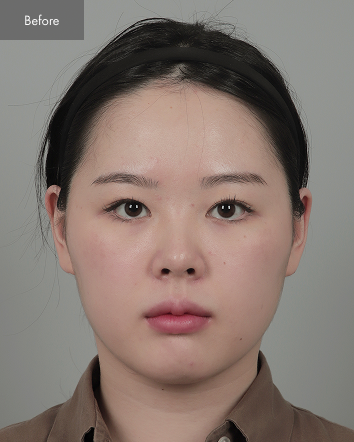
Before

After
3 Types of Facial Contouring, Nose
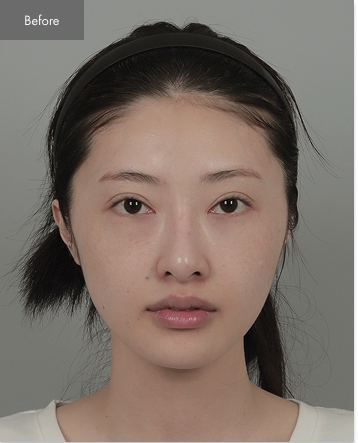
Before

After
Square Jaw Surgery, Revision Rhinoplasty
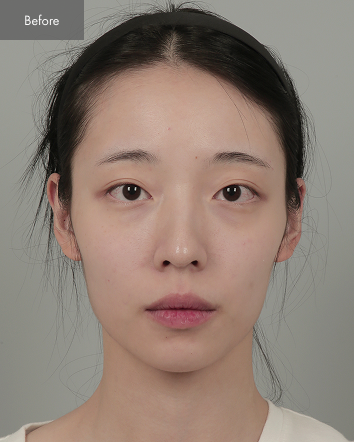
Before

After
Square Jaw Surgery, Cheekbone Reduction, Nose
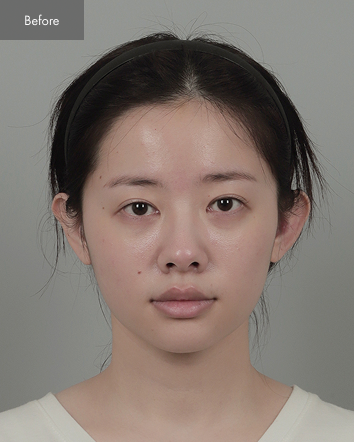
Before

After
Nose
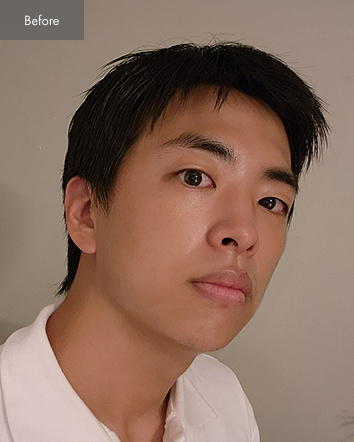
Before

After
Mini V-line Surgery
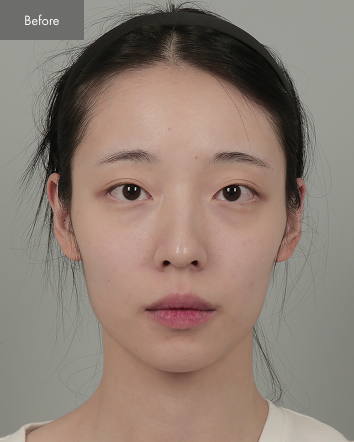
Before
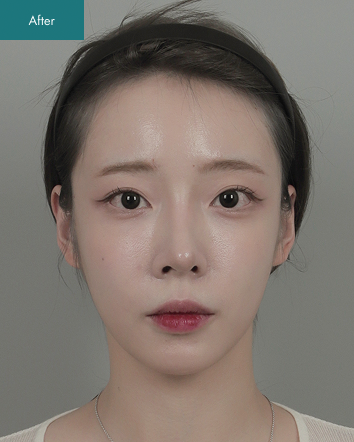
After
Cheekbone Reduction
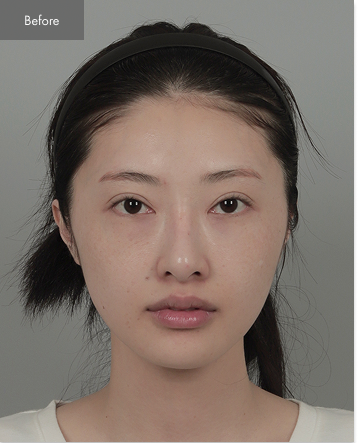
Before
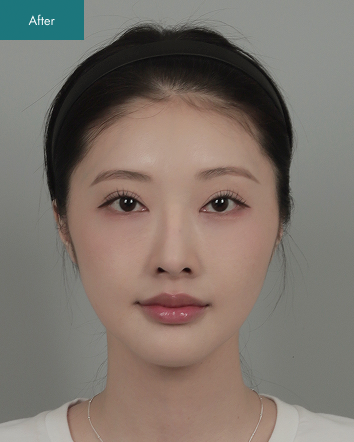
After
Eye Surgery, Nose
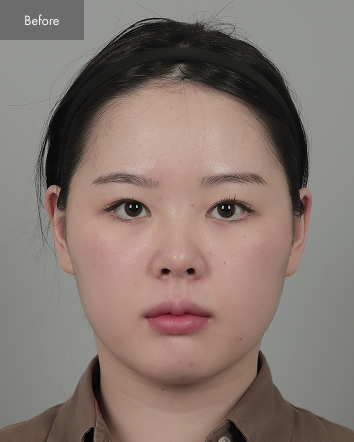
Before
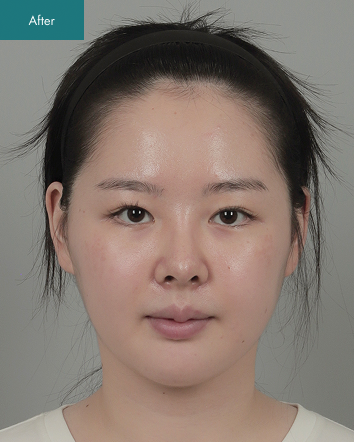
After
Full Facial Contouring
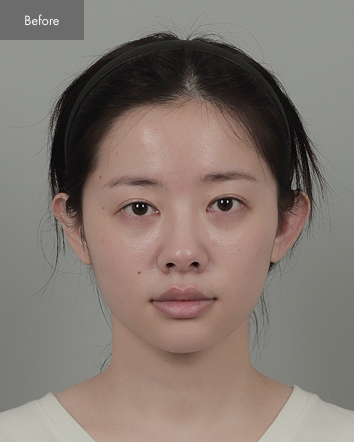
Before
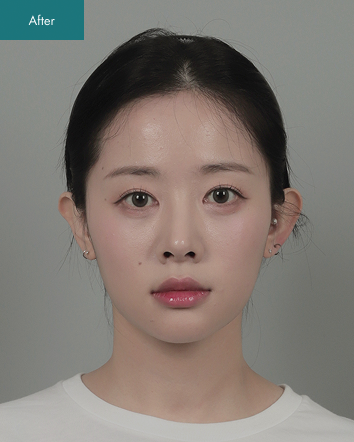
After
Jaw Reduction, Nose
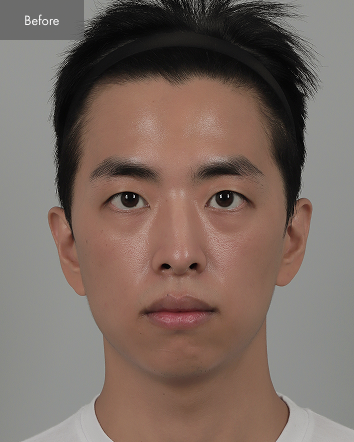
Before
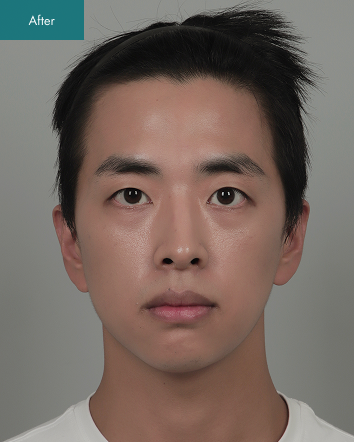
After
V-line Surgery, Cheekbone
Before
After
3 Types of Facial Contouring, Nose
Before
After
Square Jaw Surgery, Revision Rhinoplasty
Before
After
Square Jaw Surgery, Cheekbone Reduction, Nose
Before
After
Nose
Before
After
Mini V-line Surgery
Before
After
Cheekbone Reduction
Before
After
Eye Surgery, Nose
Before
After
Full Facial Contouring
Before
After
Jaw Reduction, Nose
Before
After
V-line Surgery, Cheekbone
Before
After
3 Types of Facial Contouring, Nose
Before
After
Square Jaw Surgery, Revision Rhinoplasty
Before
After
Square Jaw Surgery, Cheekbone Reduction, Nose
Before
After
Nose
Before
After
Mini V-line Surgery
Before
After
Cheekbone Reduction
Before
After
Eye Surgery, Nose
Before
After
Full Facial Contouring
Before
After
Jaw Reduction, Nose
Before
After
V-line Surgery, Cheekbone
2026.05
| SUN | MON | TUE | WED | THU | FRI | SAT |
26 | 27 | 28 | 29 | 30 | 1 | 2 |
3 | 4 | 5 | 6 | 7 | 8 | 9 |
10 | 11 | 12 | 13 | 14 | 15 | 16 |
17 | 18 | 19 | 20 | 21 | 22 | 23 |
24 | 25 | 26 | 27 | 28 | 29 | 30 |
31 | 1 | 2 | 3 | 4 | 5 | 6 |
Proven by academic papers, surgical patents, and national certifications
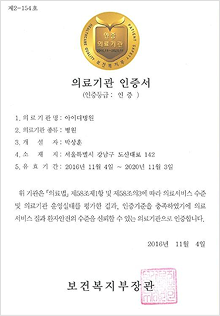
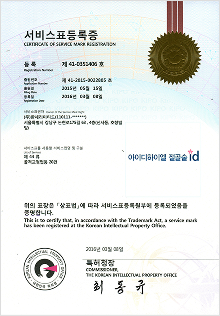
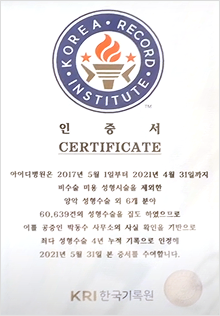
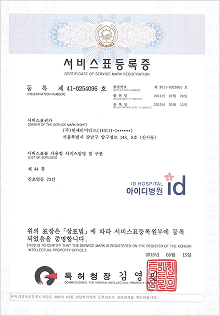
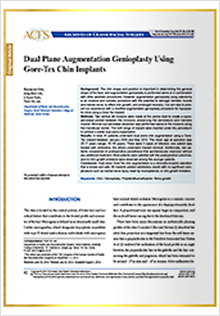
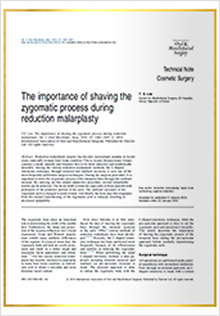
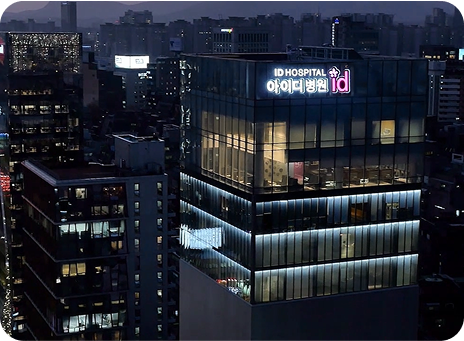
Since 2004
Since 2004, id's Facial Bone Contouring Center has led the field with the largest scale among plastic surgery hospitals, the highest number of contouring cases, and proven excellence through leading medical research.
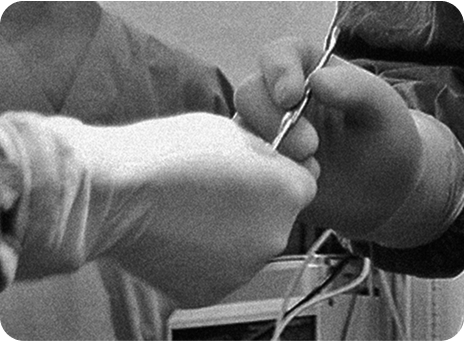
40,321 Cases
40,321 cases of facial bone contouring surgery. Based on this data, we provide satisfactory results through accurate diagnosis and perfect surgery.
* Data from January 2011 to May 2024
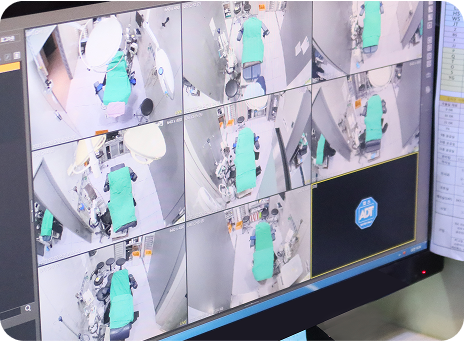
NO shadow doctors
From consultation to diagnosis and surgery, same surgeon will be in charge. id has a 'real-name system' of the surgeon in the surgery room with CCTV cameras.